
How is athlete’s foot treated?
Athlete’s foot can often be treated with over-the-counter (OTC) topical antifungal medications. If OTC treatment does not clear the infection, a doctor may recommend prescription-strength topical or oral antifungal medication. People with diabetes or immune system conditions should inform their doctor before using stronger treatments.
What Are the Symptoms of an Athlete's Foot?
An athlete's foot can cause itching, burning, redness, irritation, and sometimes blisters. Symptoms may occur on the soles of the feet or between the toes.
What Are the Common Treatments for Athlete’s Foot?
Treatment may include OTC topical antifungal medications, prescription-strength antifungals, and additional medication if complications develop.
What OTC Medications Treat Athlete’s Foot?
Common OTC topical antifungal medications include:
-
Miconazole (Desenex)
-
Terbinafine (Lamisil AT)
-
Clotrimazole (Lotrimin AF)
-
Butenafine (Lotrimin Ultra)
-
Tolnaftate (Tinactin)
What Prescription Medications Are Used for Athlete’s Foot?
If OTC medications do not treat the infection, a doctor may prescribe:
-
Prescription-strength topical clotrimazole or miconazole
-
Oral antifungal medications such as itraconazole (Sporanox), fluconazole (Diflucan), or prescription-strength terbinafine (Lamisil)
-
Topical steroid medications to reduce painful inflammation
-
Oral antibiotics if a bacterial infection develops due to raw skin or blisters
Can Athlete’s Foot Be Treated at Home?
The source states that a doctor may recommend soaking the feet in salt water or diluted vinegar to help dry blisters.
Keeping the feet clean and dry is also an important part of the prevention and foot-care recommendations provided in the source.
Can Moisture Make Athlete’s Foot Worse?
Moisture can allow fungus to continue growing. To help keep feet dry:
-
Wash your feet daily with soap and water.
-
Dry your feet thoroughly, especially between the toes.
-
Change socks when your feet become sweaty.
-
Wear breathable socks and shoes.
-
Allow your feet to air out when at home.
-
Alternate between two pairs of shoes to allow each pair to dry between uses.
Can You Get Athlete’s Foot From Public Showers or Swimming Pools?
The source recommends wearing sandals in public showers, around public swimming pools, and in other public places as a preventive measure.
Should You Share Socks, Shoes, or Towels?
No. The source recommends not sharing socks, shoes, or towels with others as part of athlete’s-foot prevention.
How Can an Athlete's Foot Be Prevented?
Several measures can help reduce the risk of athlete’s foot:
-
Use appropriate antifungal products as directed.
-
Don't share socks, shoes, or towels.
-
Change socks when your feet become sweaty.
-
Wash your feet every day and dry them thoroughly.
-
Wash socks, bedding, and towels in water at 140°F (60°C) or higher, as recommended in the source.
-
Use antifungal powder on your feet as appropriate.
-
Wear sandals in public showers and around public swimming pools.
-
Wear breathable or moisture-wicking socks.
-
Wear breathable shoes.
-
Allow your feet to air out at home.
-
Alternate between two pairs of shoes so they can dry between uses.
-
Clean or disinfect shoes as appropriate.
Can Toe Juice Be Used for Athlete’s Foot?
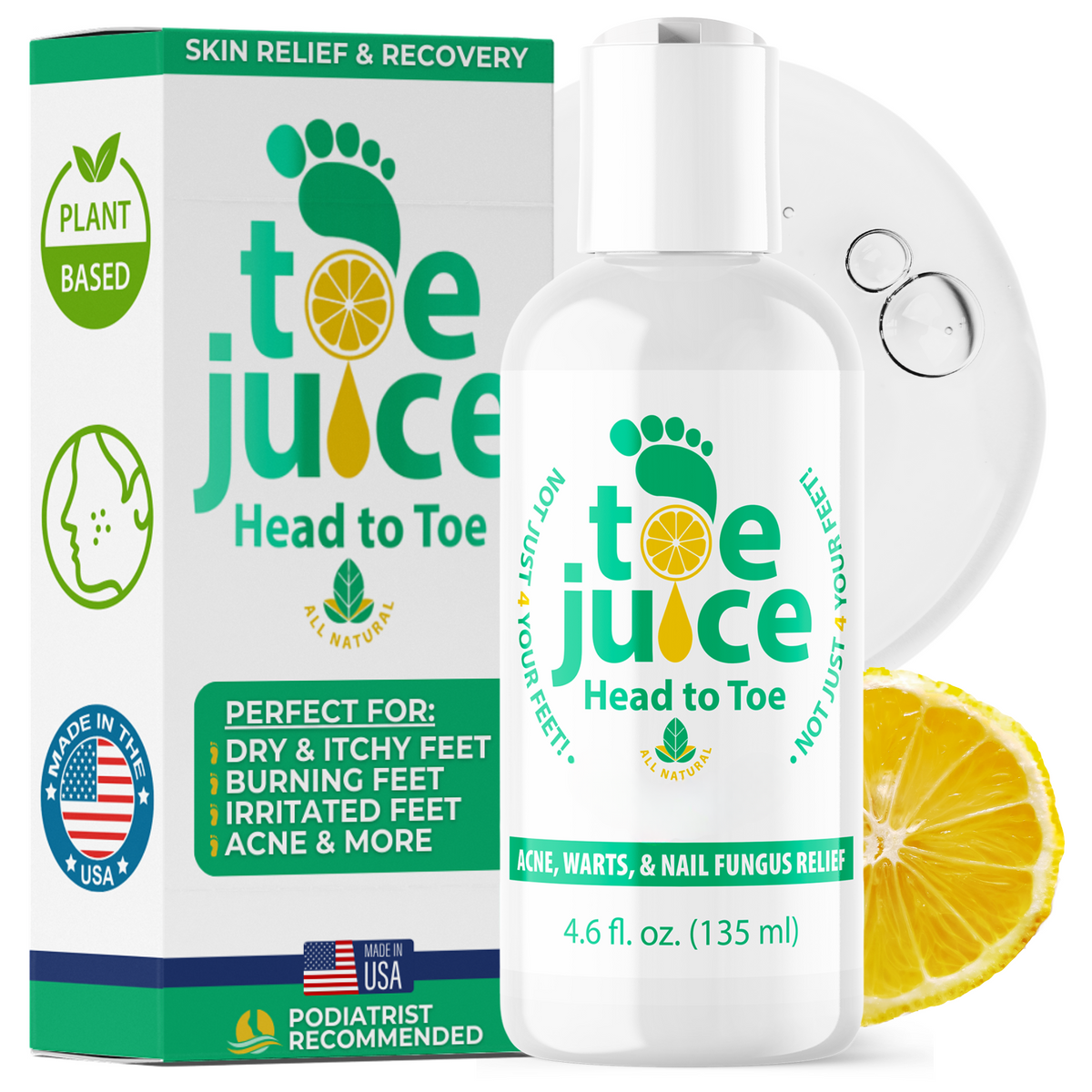
Toe Juice is described in the source as an over-the-counter liquid solution that has been available for more than 30 years. The source recommends applying it with a cotton pad, cotton ball, cloth, or paper towel and allowing it to dry for 5–10 minutes.
The existing content describes Toe Juice as an antifungal solution and makes claims about treating and preventing athlete’s foot and other conditions. These product-specific claims should be retained only if they are supported by appropriate product evidence and applicable labeling requirements.
For SEO, this section can be positioned around the query “Can Toe Juice be used for an athlete's foot?” rather than making unsupported “cure” claims.
What Should You Do If OTC Athlete’s Foot Treatment Does Not Work?
If an OTC antifungal medication does not treat the infection, consult a doctor. Prescription-strength topical or oral antifungal medications may be recommended.
People with diabetes or an immune system issue should inform their doctor before treatment, particularly when prescription-strength medications may be involved.
Frequently asked questions
Athlete’s foot is a fungal condition affecting the feet. The source describes symptoms such as itching, burning, redness, irritation, and blisters, particularly on the soles and between the toes.
Common symptoms described in the source include itching, burning, redness, irritation, and blisters on the feet.
Athlete’s foot can often be treated with OTC topical antifungal medications. If OTC treatment does not work, a doctor may prescribe topical or oral antifungal medication.
The source lists miconazole, terbinafine, clotrimazole, butenafine, and tolnaftate as examples of OTC topical antifungal medications.
The source mentions foot soaks with salt water or diluted vinegar as a possible home-care measure recommended by a doctor. It also recommends keeping the feet clean and dry.
Wash and thoroughly dry your feet, change sweaty socks, avoid sharing footwear and towels, wear breathable shoes and socks, and wear sandals in public showers and swimming-pool areas.
The source recommends avoiding the sharing of socks, shoes, and towels as part of athlete’s-foot prevention.
The source recommends wearing sandals in public showers, around public swimming pools, and in other public places to help prevent athlete’s foot.
Moisture can allow fungus to continue growing. Keeping feet dry and allowing shoes to dry between uses can help reduce moisture around the feet.
If an OTC antifungal treatment does not clear the infection, consult a doctor. Prescription-strength topical or oral antifungal medications may be recommended.
The source recommends informing your doctor if you have diabetes or an immune system issue before treatment, particularly when stronger medications may be prescribed.
The source describes Toe Juice as an OTC liquid solution for topical foot and skin care. Follow the product label for directions and appropriate use. Any claims that it cures, kills, or prevents athlete’s foot should be supported by appropriate product evidence.
Wash your feet daily and dry them thoroughly, especially between the toes. Change sweaty socks, wear breathable footwear, and alternate shoes to give them time to dry.
If OTC treatment does not clear the infection, or if the skin becomes raw or develops signs of a bacterial infection, consult a healthcare professional. The source also specifically recommends informing your doctor if you have diabetes or an immune system issue.