
A note from our principal, D:
In our last article regarding Eczema we spoke of what it is, cause, types, symptoms and treatments. Again, there is no known cause or cure for eczema. So when we follow up from my previous article we see some things that remind us there are many different treatments but no cure. I repeat this just to let you know that we care about your ability to live a happy life and not to have to deal with the itchiness and discomfort from Eczema. There are many emotional factors at play when someone is uncomfortable.
Once you figure out that treating eczema can be very expensive and time consuming, you will eventually start looking for other solutions that will help with the symptoms that are less expensive and less time consuming like OTC solutions. Over the counter solutions that quell the urge of constant itching, dry skin and occasional soreness.
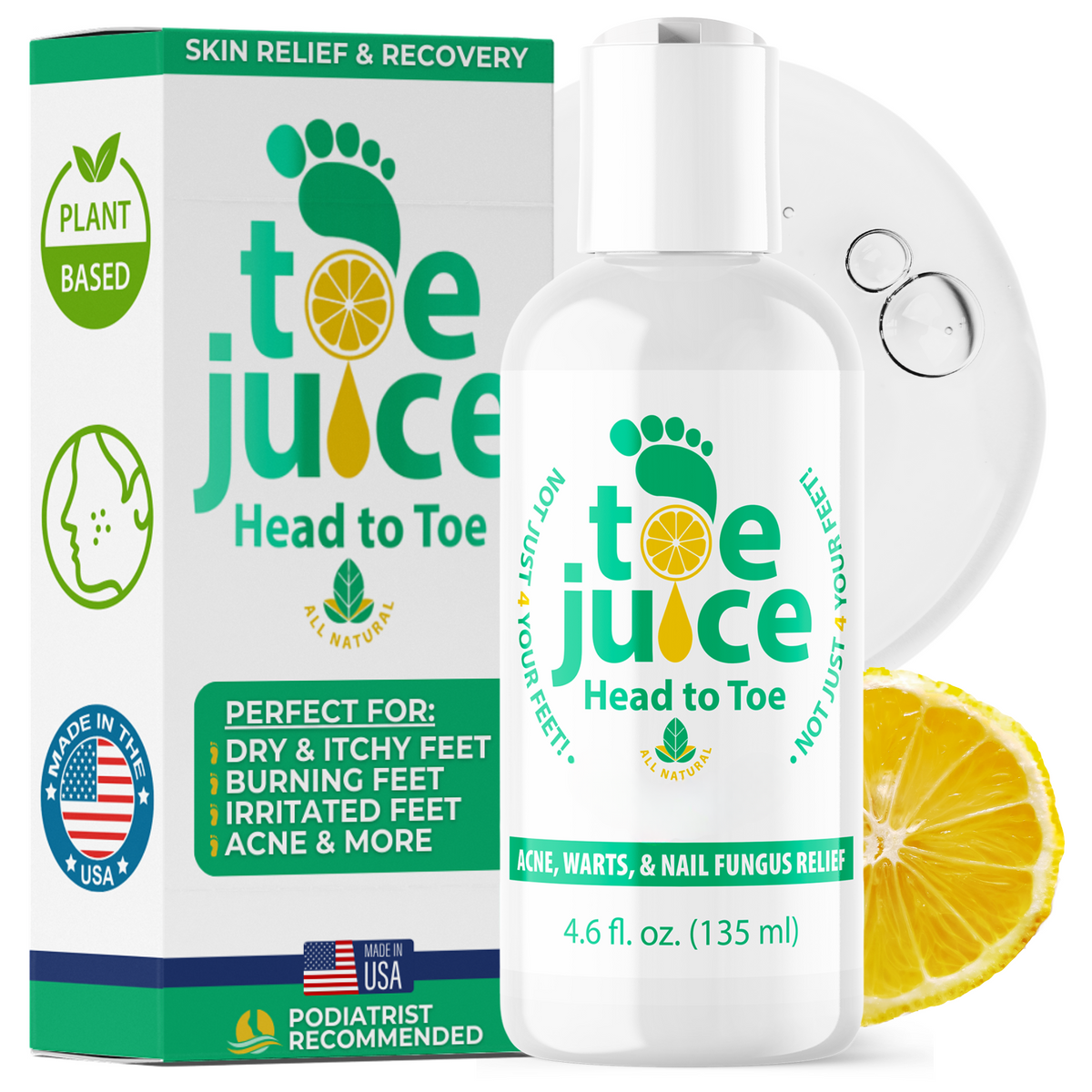
I do not want to lay claim to a cure for eczema but to a treatment that could work to ease your symptoms and make your life better. Our solution, Toe Juice, has been out over 30 years and relieves topical fungal skin issues like itching and rashes. We have many testimonials on our website from people that have had to deal with eczema issues and have been very happy with Toe Juice. However, I will not claim we heal eczema and I will not claim we are for everyone. Some people have much worse cases than others and they have to live with this terrible skin condition. I would like to recommend you try one bottle of Toe Juice and use it liberally on your skin on a continual daily basis. Use it until you have no more and see if it helps. If it does then subscribe to as much as you need monthly for a discount at www.toejuice.com.
We hope had pray it works for your skin and your well being.
Sincerely,
D
A review of our past article is below:
Is there a cure for eczema?
There is currently no known cure for eczema, but the condition can be managed with appropriate treatment and skincare. Treatment focuses on reducing symptoms such as itching, dryness, inflammation, and irritation while preventing or managing flare-ups.
Every treatment plan should be tailored to the individual's symptoms, age, eczema type, and severity. Depending on these factors, treatment may include medical-grade moisturizing creams, prescription topical medications including topical corticosteroids, over-the-counter (OTC) home remedies, phototherapy (also known as light therapy), immunosuppressants and injectable biologics.
What Is the Best Way to Manage Eczema Flare-Ups?
For most types of eczema, managing flare-ups involves identifying triggers, maintaining a consistent skincare routine, and using recommended treatments correctly.
The basic approach includes:
-
Identify and avoid triggers: Common triggers can include certain skincare products, environmental factors, heat, stress, allergens, and irritants.
-
Maintain a daily bathing and moisturizing routine: Use gentle skincare products and moisturize regularly to help support the skin barrier.
-
Use treatments consistently: OTC creams and prescription medications should be used according to the instructions provided by a healthcare professional.
Can Natural Treatments Help With Eczema?
Some people with eczema explore natural and complementary treatments alongside conventional treatment. These may include bleach baths, cryotherapy, medical-grade honey, meditation and acupuncture.
Natural and alternative treatments should be approached carefully. Consult a healthcare professional before adding a new treatment to an existing eczema management plan. Some approaches, such as meditation, may be used alongside OTC or prescription treatments, depending on individual circumstances.
Does Eczema Go Away With Age?
Eczema can change over time, and some children experience fewer symptoms as they grow older, while others continue to have eczema into adulthood. Adults can also develop eczema even if they did not have it during childhood.
Symptoms can vary significantly from one person to another. If itching remains difficult to manage, read more about additional information about managing itch.
Frequently asked questions
There is no single cause of eczema. Eczema is a group of conditions with different contributing factors, and triggers can vary depending on the type of eczema. Common factors include a family history of eczema, environmental triggers, irritants, allergens, and stress.
The best treatment for eczema depends on the type and severity of eczema, the person's age, symptoms, triggers, and individual response to treatment. A dermatologist can help develop an appropriate treatment plan.
Treatment may involve a combination of a regular skincare routine, moisturizers, OTC products, natural or complementary treatments, and prescription medications.
Finding an effective treatment can take time and may involve some trial and error. Since there is no known cure for eczema, the goal is generally to control symptoms, reduce flare-ups, and maintain healthier skin rather than look for a single permanent cure.
There is no known permanent or instant cure for eczema. Some treatments may help reduce symptoms relatively quickly, but eczema can be a recurring condition.
If you are looking for an appropriate treatment approach, speak with a dermatologist or qualified healthcare professional rather than relying on products or treatments that claim to permanently cure eczema.
Eczema triggers vary from person to person. Common triggers can include:
- Harsh soaps and skincare products
- Certain fabrics or materials
- Heat and sweating
- Dry weather or low humidity
- Stress
- Environmental allergens
- Irritants or chemicals
Keeping track of when symptoms appear can help identify individual triggers.
Managing the underlying eczema and maintaining the skin barrier can help reduce itching. A consistent moisturizing routine and appropriate eczema treatment can be important parts of symptom management.
Avoid scratching when possible, as scratching can further irritate the skin. If itching is persistent or severe, consult a healthcare professional. You can also read the National Eczema Association's information about managing itch.
Some people with mild eczema may manage symptoms with skincare, moisturizers, trigger avoidance, and appropriate OTC products. However, the right approach depends on the type and severity of eczema.
People with persistent, severe, infected, or difficult-to-control symptoms should consult a healthcare professional to determine whether prescription treatment is appropriate.
Stress can be a trigger or aggravating factor for some people with eczema. Managing stress may therefore be useful as part of an overall eczema management strategy. However, stress is not the only cause of eczema, and reducing stress alone does not cure the condition.
Consider speaking with a dermatologist if eczema symptoms are persistent, severe, frequently recurring, affecting sleep or daily activities, or not improving with your current skincare routine.
A dermatologist can identify the type of eczema and recommend a treatment plan based on your specific symptoms.